The Gloucestershire Warwickshire Railway wouldn't exist without our volunteers. They are the absolute lifeblood of everything we do – from driving locomotives and maintaining carriages to serving in our shops and welcoming visitors. Every single journey, every cup of tea, every beautifully restored piece of history is made possible by the dedication and enthusiasm of our volunteer team.
Why Volunteer
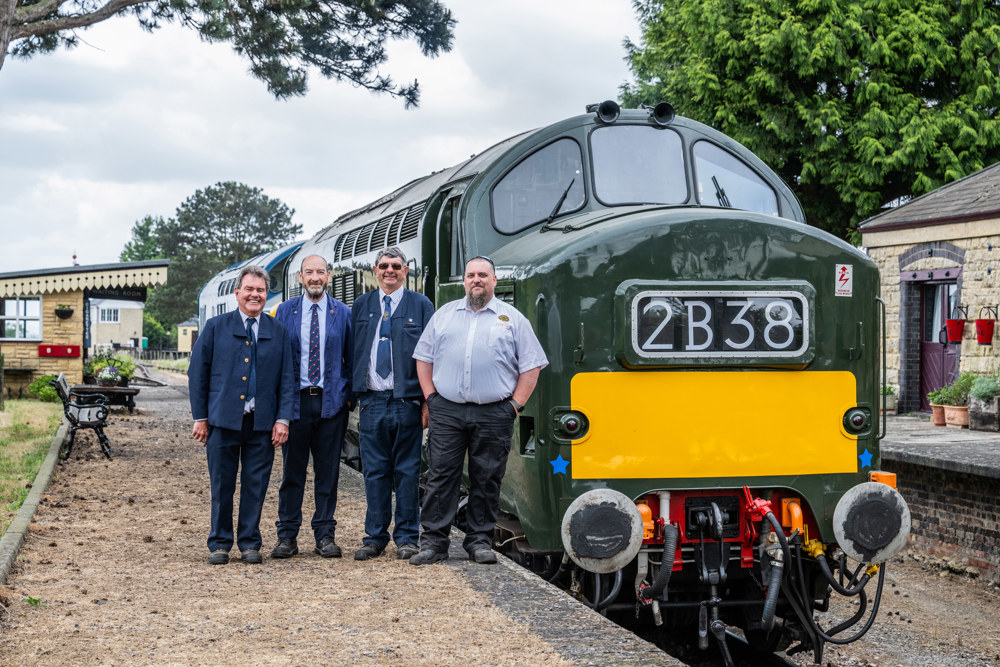
Volunteering with us isn't just about keeping trains running. You'll be working alongside people who genuinely care about what they're doing, and that makes a difference to how it feels. With around 900 volunteers (and only around 12 paid staff), virtually everyone you meet on the railway is here by choice.
Who you'll be working alongside
Our volunteers come from all over – retired engineers who can strip down a Hawksworth tender in their sleep, students learning the trade, former teachers, office workers looking for something different at weekends. Ages range from teenagers to people in their eighties.
You'll find them everywhere across the railway. In the engineering sheds, up signal boxes controlling train movements, serving in the shop and café, working as guards and ticket inspectors on the trains, maintaining the track in all weathers, restoring carriages, keeping station gardens looking proper, and manning the ticket offices. Some volunteers do one specific job and become experts at it. Others move around and try different roles depending on what needs doing.
What they have in common is they turn up, get stuck in, and usually end up in the mess room afterwards comparing notes over a brew and too many biscuits. The work itself brings people together. When you're spending a Saturday afternoon wrestling with a seized coupling, serving cream teas to large coach party, or painting the same section of waiting room for the third time because someone mixed the wrong shade of GWR brown, you end up talking. Friendships develop. Some volunteers have been working together for twenty years. Others are brand new and still learning which end of a shovel to hold. Both are equally welcome.
Skills you'll actually pick up
The skills you pick up depend entirely on what you choose to do. In the sheds, you might learn proper metalworking, how to use a lathe, or the arcane art of keeping a 1950s diesel engine running. In operations, you'll master the rules of railway working and how to keep trains moving safely and on time. Working in retail or catering, you'll develop customer service skills that transfer anywhere. In the permanent way gang, you'll understand trackwork and probably develop muscles you didn't know you had.
For younger volunteers, this experience does look good on a CV or university application. Not because we're handing out certificates, but because you can genuinely say you've shown up regularly, learned practical skills, and worked as part of a team. That matters to employers and admissions tutors. Several of our younger volunteers have mentioned that it helped them really stand out in interviews.
But the real reason people volunteer isn't for their CV. It's because there's something deeply satisfying about seeing a locomotive you've worked on pulling a train full of happy visitors, or watching children's faces when they see steam for the first time from a platform you've just repainted.
What You Could Be Doing
Whatever you're interested in, there's probably a role for it. Some people know exactly what they want to do from day one. Others try a few different things before they find what suits them.
Running the trains
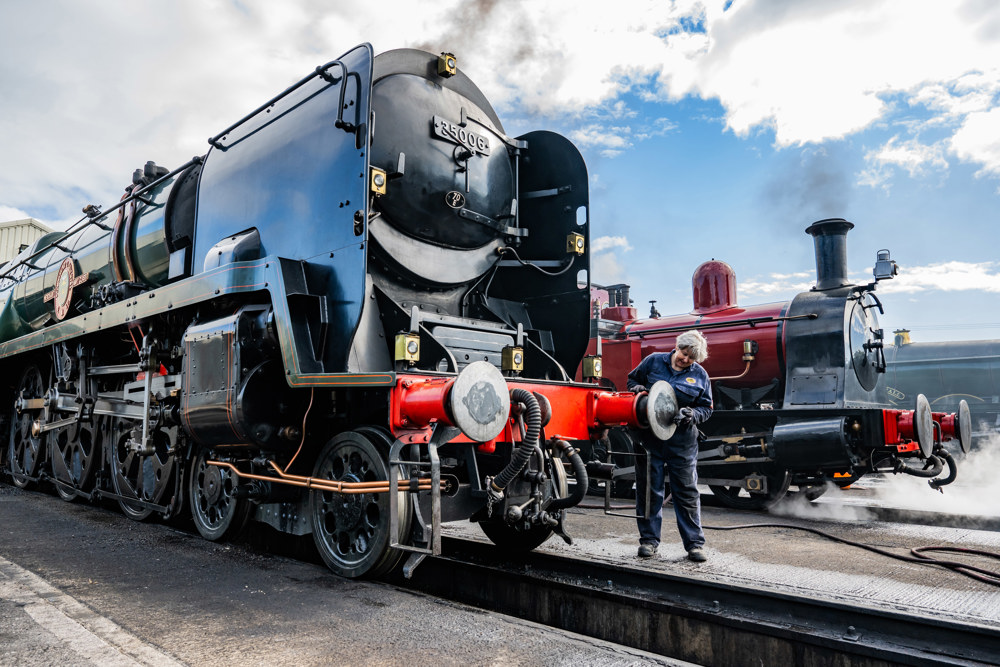
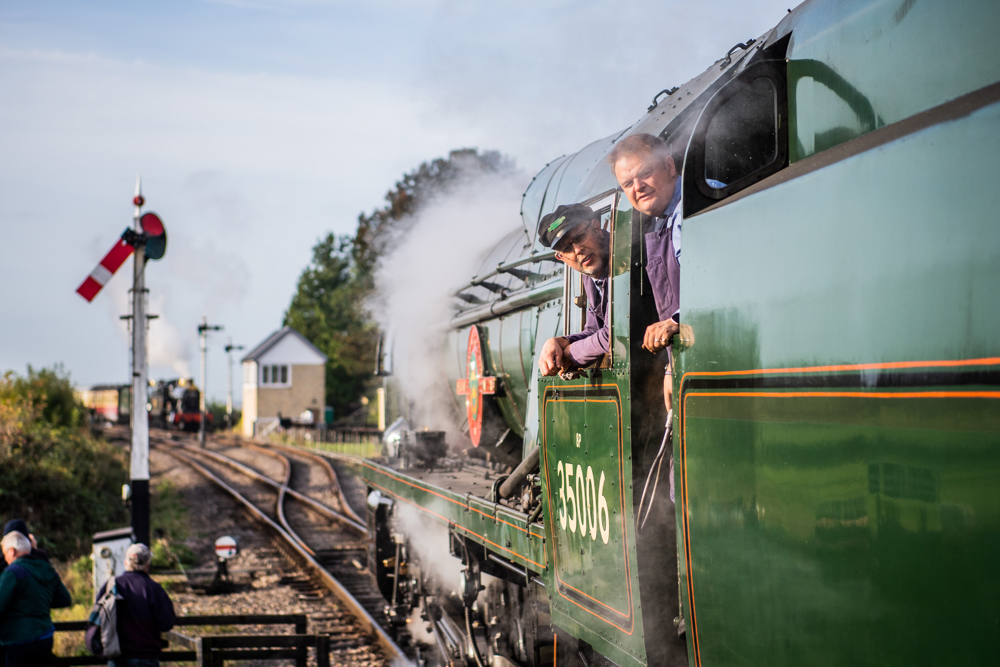
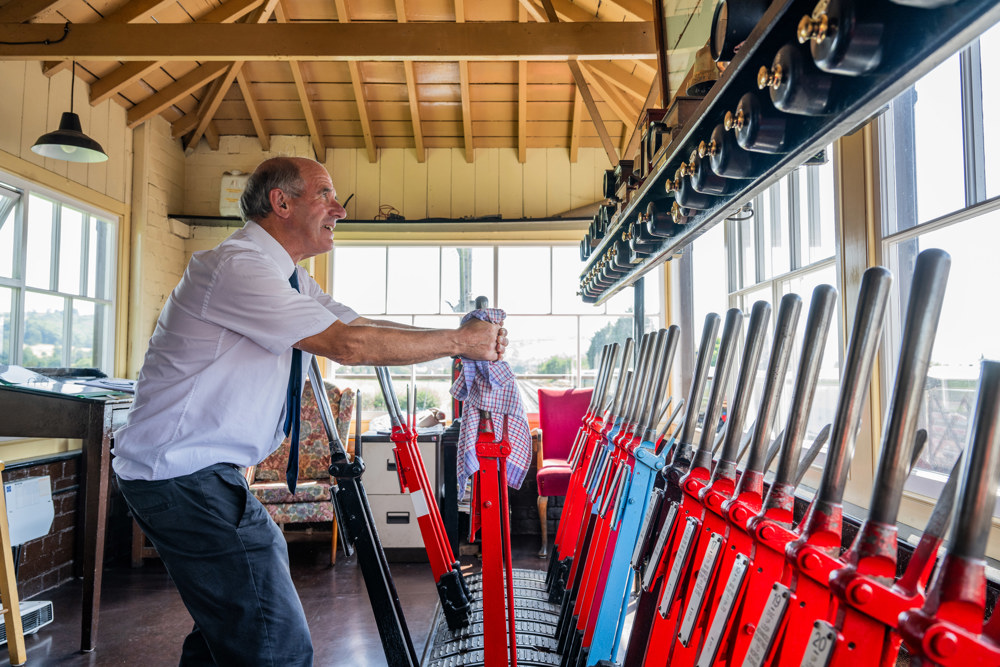
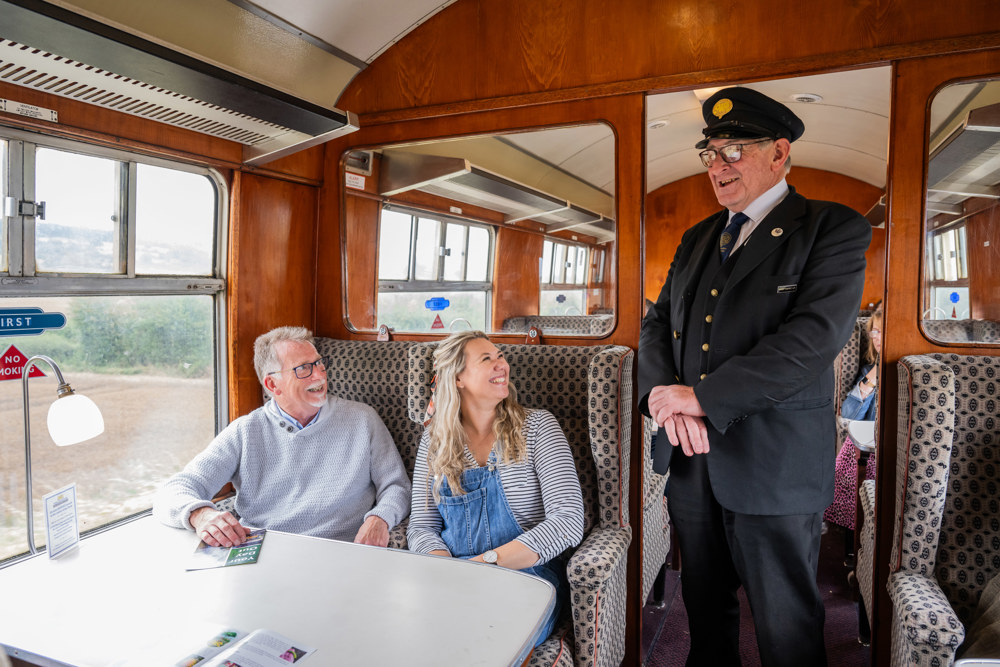
Operations volunteers are the ones actually running the railway day-to-day. Guards and travelling ticket inspectors look after passengers, check tickets, and make sure trains leave on time. Signallers sit in our mechanical signal boxes – the proper sort with levers and bells – controlling train movements along the line. Drivers and firemen operate the locomotives, from lighting the fire at silly-o'clock in the morning to putting them to bed at the end of the day. Station staff sell tickets, answer the same questions about toilets and timetables fifty times a day, and generally keep things moving.
Operations roles require following the rule book - we're running a proper railway with real safety requirements, not a theme park. You'll need to learn the rules and stick to them. Most operational roles are rostered, which means committing to regular turns so we can actually plan who's running what train. But if you like trains moving, people asking questions, and no two days being the same, this might be for you.
Engineering and Workshops
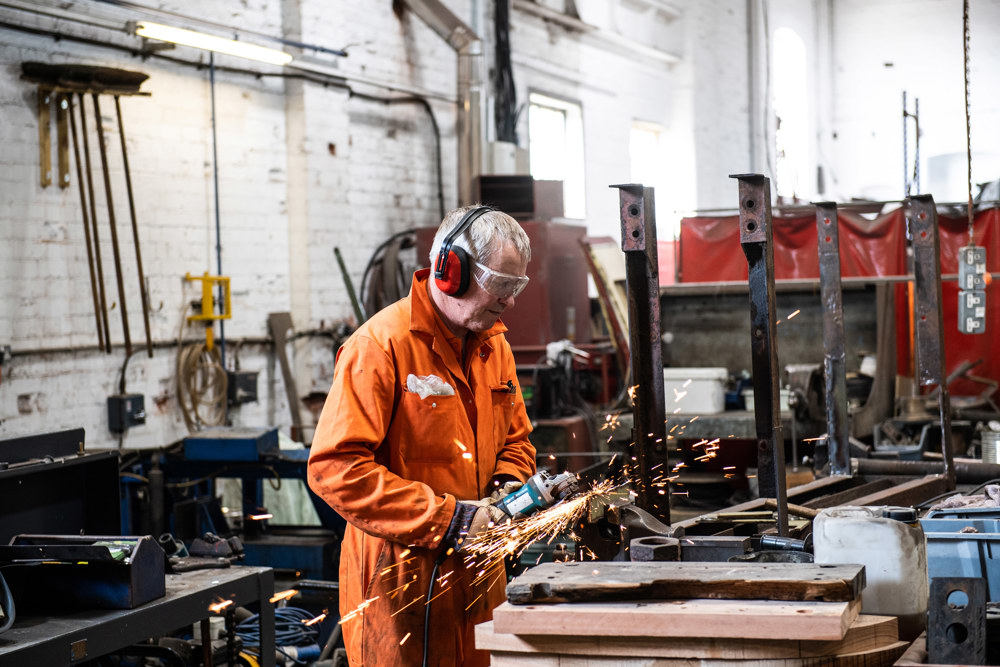
The engineering volunteers keep our locomotives and carriages actually working. The locomotive workshops at Toddington are where the steam and diesel work happens – engine overhauls, boiler repairs, welding, machining, the lot. At Winchcombe, the carriage and wagon works handle everything that doesn't move on its own: woodwork and carpentry for carriage restoration, upholstery to recreate the interiors, and painting and finishing work that takes forever to get right. You don't need to be a qualified engineer. Some of our best workshop volunteers started knowing nothing and learned everything from the people around them. If you can follow instructions and don't mind getting your hands dirty, you'll be fine.
Retail and catering
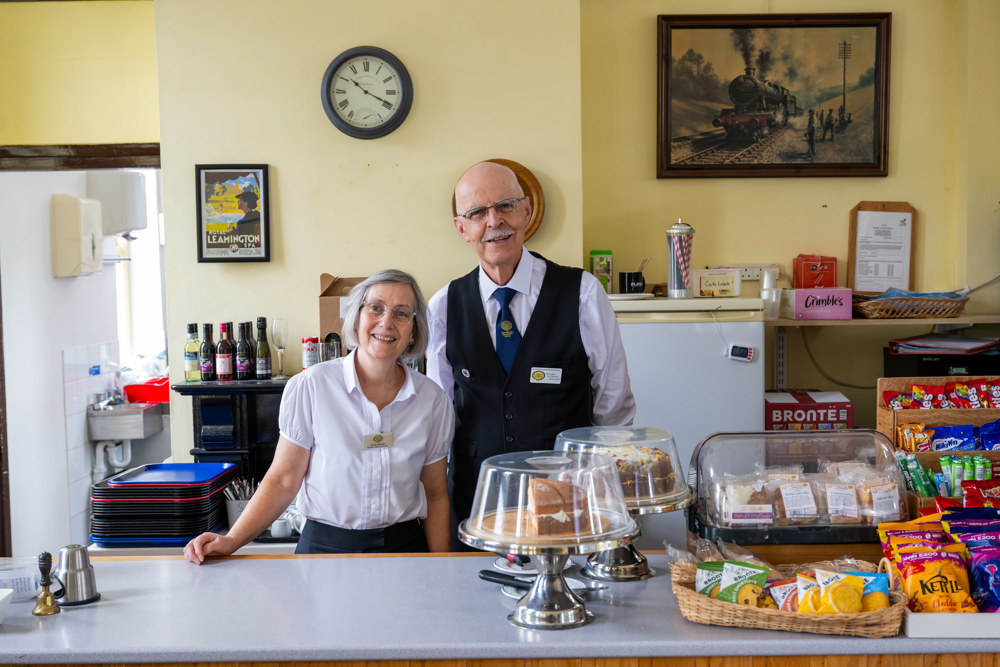
Our shops and catering outlets need staffing whenever trains are running. Shop volunteers sell everything from ice cream to souvenirs, handle enquiries, and generally keep visitors happy. Catering volunteers serve in our station cafés and on-train buffet cars – making tea, serving food, and cleaning up afterwards. It's customer-facing work that can be busy, especially on gala weekends when you'll serve hundreds of people. If you've ever worked retail or catering before, brilliant. If you haven't, you'll pick it up quickly enough.
Stations and Buildings
Stations need constant attention to look presentable. Volunteers paint buildings and structures, maintain the station gardens, keep everything clean and tidy, and restore period features to keep that authentic heritage railway atmosphere. The work varies with the seasons – lots of painting and gardening in summer, more indoor restoration work in winter. If you like seeing immediate results and take pride in how things look, this could suit you.
Permanent Way and Infrastructure
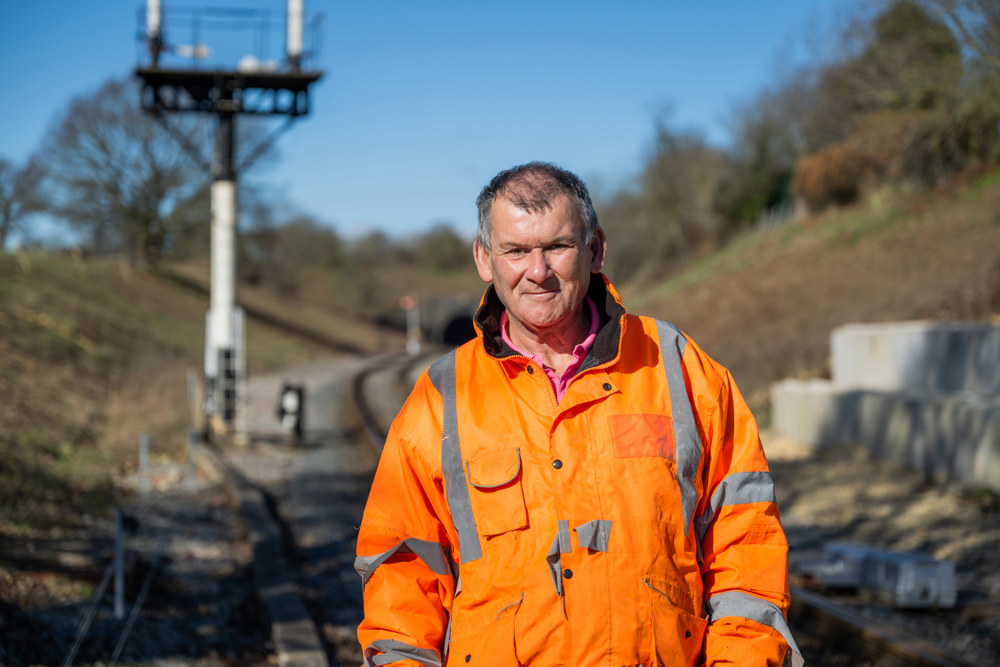
The track and infrastructure gang maintain the railway line itself. Track maintenance and renewal, keeping the drainage clear, maintaining bridges and embankments, looking after culverts – all the unglamorous work that keeps trains running safely. The signal and telegraph department maintains our mechanical signalling equipment and lineside infrastructure. Fair warning: this is physically demanding work, often done in all weathers, and you'll be outside most of the time. But if you like working in the Cotswold countryside and don't mind hard graft, it's rewarding stuff.
Why It Matters
When you volunteer here, you'll see the results of your work immediately. That locomotive you spent three Saturdays painting is pulling a train full of visitors. The carriage you helped restore is back in service with people sitting on the seats you re-upholstered. The station garden you've been weeding all summer is making people smile as they wait for their train. The signal box you've been repairing is back controlling train movements with all its equipment working properly. The section of track you relaid last winter is carrying trains safely and smoothly. The cream tea you just served is making someone's day out that bit better. It's direct and tangible in a way most work isn't.
Even the work that doesn't immediately show has visible results eventually. The paperwork and planning that go into organising a gala weekend, the behind-the-scenes maintenance of signalling equipment, the embankment you helped clear to allow visitors to see the views, the stock management that keeps the shop running – all of it matters. Without someone doing that specific task, that particular bit of the railway doesn't happen.
The railway runs because 900 volunteers turn up and do their bit. Whether that's spending all day in the engine shed, doing a couple of hours on a Saturday morning selling tickets, pulling a rostered shift in a signal box, giving up a week of your annual leave to help with a major project, or turning up with a paintbrush on a wet Tuesday. Every contribution counts, because with only 10 paid staff, the volunteers aren't just helping – they are the railway.
Getting Started
We welcome volunteers of all ages and backgrounds. You don't need previous experience or specialist knowledge – just enthusiasm and a willingness to learn. Whatever your interests or abilities, there's a role for you here.
That said, there are some basics we do need. Turn up when you say you will – the railway relies on people being reliable. Follow instructions, especially around safety. Be prepared to get stuck in, even when the job's mundane or the weather's miserable. And follow the rules – we're running a proper railway with real responsibilities. If you can manage that, you'll fit in fine.
Ready to find out more about the volunteering opportunities available? The first step is to sign up as a member of the Gloucestershire Warwickshire Railway Trust. You can find more information by going to: gwrt.org.uk/volunteering/volunteer